Finding Hope and Direction Through Jeremiah 29:11's Promise of a Future and a Hope
Reflective guided prayer on Jeremiah 29:11's promises for God's hopeful plans. Seek direction and renewed purpose.
Beloved in Christ, in times when the path ahead seems shrouded in uncertainty—whether through personal trials, family difficulties, career transitions, or the broader storms of life—we naturally seek assurance that our story is not one of abandonment but of purposeful direction. The phrase
"Prayer for Hope and Direction Reflecting on Jeremiah 29:11's Promises"
captures a timeless cry of the heart, one that echoes the exiles' longing in ancient Babylon and resonates deeply with believers today. This beloved declaration from the Lord aligns with the broader biblical theme of God's sovereign goodness: even in discipline, displacement, or darkness, the Almighty never forsakes His people but weaves His redemptive plans through seasons of waiting, calling us to trust, seek, and live faithfully until His promises unfold.
Scriptural Exposition
The foundational text comes from Jeremiah 29:11 in the King James Version: "For I know the thoughts that I think toward you, saith the LORD, thoughts of peace, and not of evil, to give you an expected end."
In the New King James Version, it reads more accessibly: "For I know the thoughts that I think toward you, says the LORD, thoughts of peace and not of evil, to give you a future and a hope."
Here, the Lord declares His intimate knowledge of His people—not vague wishes, but deliberate, covenantal intentions. The word "thoughts" (Hebrew: machashabah) speaks of purposeful designs, while "peace" (shalom) conveys wholeness, welfare, and restored relationship, far beyond mere absence of conflict. "Not of evil" counters the despair of judgment, and "expected end" or "future and a hope" points to a consummation filled with divine fulfillment.
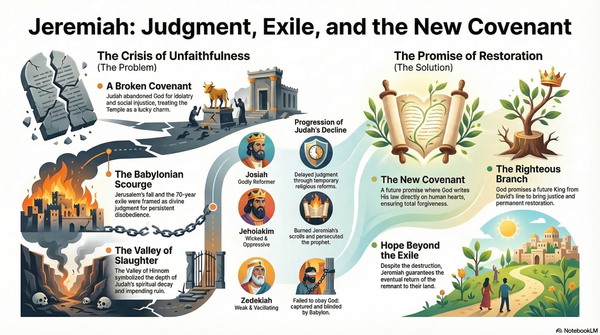
This promise arrives in a letter Jeremiah sent to the Jewish exiles in Babylon (Jeremiah 29:1-14). After years of rebellion, God had permitted Nebuchadnezzar to carry Judah away, yet false prophets promised quick return. Jeremiah, speaking God's truth, instructed them to settle in, build houses, plant gardens, marry, and seek the city's welfare (verses 5-7)—a call to faithful endurance amid prolonged hardship. Verse 10 sets the timeline: "For thus saith the LORD, That after seventy years be accomplished at Babylon I will visit you, and perform my good word toward you, in causing you to return to this place." Only then comes verse 11, assuring them of God's benevolent plans.
Compare this to modern renderings: the NIV translates it as "plans to prosper you and not to harm you, plans to give you hope and a future"—clear, yet preserving the solemn weight that God's good intentions often unfold through patient faithfulness rather than instant relief.
Reflective Insights
The Lord who speaks here is the same unchanging God who revealed Himself to Job in the whirlwind, declaring His wisdom surpasses human understanding (Job 38-41). In the Psalms, David cries, "Why art thou cast down, O my soul? ... Hope thou in God" (Psalm 42:11), reminding us that hope is anchored not in circumstances but in the character of God. Proverbs teaches that "the fear of the LORD is the beginning of knowledge" (Proverbs 1:7), and trusting His plans requires humility before His infinite mind.
Ecclesiastes confronts the vanity of life under the sun, yet whispers that God "hath made every thing beautiful in his time" (Ecclesiastes 3:11), echoing Jeremiah's assurance that divine timing brings beauty from ashes. In the Gospels, our Lord Jesus embodies this promise: He came not to destroy but to give life abundantly (John 10:10), teaching in parables that the kingdom grows slowly, like seed in soil, yet yields a harvest beyond imagination (Mark 4:26-29).
The Apostle Paul, writing from prison, declares in Romans 8:28 that "all things work together for good to them that love God, to them who are the called according to his purpose"—a New Testament echo of Jeremiah's hope, rooted in God's foreknowledge and predestining love. In Revelation, the exalted Christ promises, "Behold, I make all things new" (Revelation 21:5), pointing to the ultimate fulfillment where every tear is wiped away.
These threads weave together a profound truth: God's plans are not always easy or immediate, but they are always good because He is good. The exiles' seventy years of waiting teach us that hope is not wishful thinking but confident expectation based on God's faithfulness. In our own "Babylons"—seasons of loss, waiting, or redirection—we learn that true direction comes not from escaping hardship but from seeking the Lord wholeheartedly (Jeremiah 29:13: "And ye shall seek me, and find me, when ye shall search for me with all your heart").
Practical Applications
Let us now turn this truth into lived devotion. Begin with this guided prayer:
Heavenly Father, who knows the end from the beginning, I come before You confessing my need for hope and clear direction. Like the exiles, I sometimes feel displaced and uncertain. Yet You declare thoughts of peace toward me. Help me trust Your plans, even when they involve waiting. Grant me grace to live faithfully today—building, planting, seeking the welfare of those around me—while holding fast to the hope of Your promised future. In Jesus' name, Amen.
For deeper engagement, consider these 10 devotional prompts for personal reflection, small group discussion, or pastoral counseling:
- Reflect on a current "exile" in your life—where do you feel displaced? How might God's call to "settle and seek welfare" apply here?
- Read Jeremiah 29:10-14 aloud. What does the 70-year timeline teach about God's timing versus our expectations?
- Journal: Write out the "thoughts" (plans) you imagine God has for you. Compare them to Scripture—do they align with His revealed will?
- Meditate on Romans 8:28. List ways God has already worked past difficulties for good in your life.
- Pray for someone in a prolonged trial. How can you encourage them with Jeremiah's balanced hope?
- Examine false voices in your life (modern "prophets" of quick fixes). How do you discern God's true word?
- Practice "seeking with all your heart"—set aside daily time for unhurried prayer and Scripture.
- Consider generational impact: How might your faithful endurance bless those who come after you?
- Reflect on Jesus' suffering: How does the cross show that God's good plans can include pain yet lead to resurrection?
- End with gratitude: Thank God for the "expected end"—eternal life through Christ—and ask for renewed hope today.
These prompts can be used weekly or in a group setting, fostering accountability and shared encouragement.
Key Takeaways and Study Plan
Here are seven essential truths from our reflection:
- God knows and designs purposeful plans for His people—plans rooted in peace, not destruction.
- His promises often unfold over extended seasons, requiring patient faithfulness.
- Hope is not escapism but active trust: build, plant, seek welfare even in exile.
- Wholehearted seeking guarantees finding God (Jeremiah 29:13).
- God's goodness is ultimate, not always immediate—seen fully in Christ.
- Scripture balances present reality with future glory.
- True direction flows from surrender to the Lord's unchanging character.
For a simple 7-day study plan:
- Day 1: Read Jeremiah 29:1-9; meditate on faithful living in hard places.
- Day 2: Focus on verses 10-11; journal God's "thoughts of peace."
- Day 3: Study verses 12-14; practice wholehearted seeking in prayer.
- Day 4: Compare with Psalm 42 and Romans 8:28; note echoes of hope.
- Day 5: Reflect on Jesus' teachings about the kingdom (Mark 4); apply to waiting.
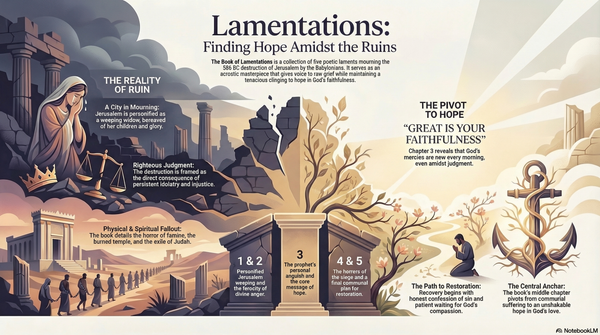
- Day 6: Review Lamentations 3:21-24 (Jeremiah's own words); affirm mercies new every morning.
- Day 7: Worship in gratitude; share one takeaway with another believer.
Conclusion
Dear friend, Jeremiah 29:11 stands as a beacon amid life's uncertainties: the Lord knows His plans for you—plans of peace, a future, and a hope. Though the road may wind through valleys of waiting, His sovereign hand guides every step toward redemption. Take heart, for the God who spoke to exiles in Babylon speaks to you today through His Word and Spirit. Cling to Him, seek Him earnestly, and live faithfully in the present—your hope is secure in Christ, who has gone before to prepare an eternal home.
May the peace of God guard your heart as you walk in His good direction.
Grace and strength be yours in abundance. Amen.